Ⅱ Pause motion
01 / A LONGER DAY 24.6 hours
02 / A LONGER YEAR 687 Earth days
03 / A LIGHTER STEP 38% of Earth's gravity
04 / TWO COMPANIONS 2 small moons
THE FIELD GUIDE Experiences The planet Experiments Missions Life on Mars Field notes
EXPLORE / UNDERSTAND / IMAGINE
One world.Your way into it. Explore the planet. Understand the machines. Follow a possible future from Earth to Mars.
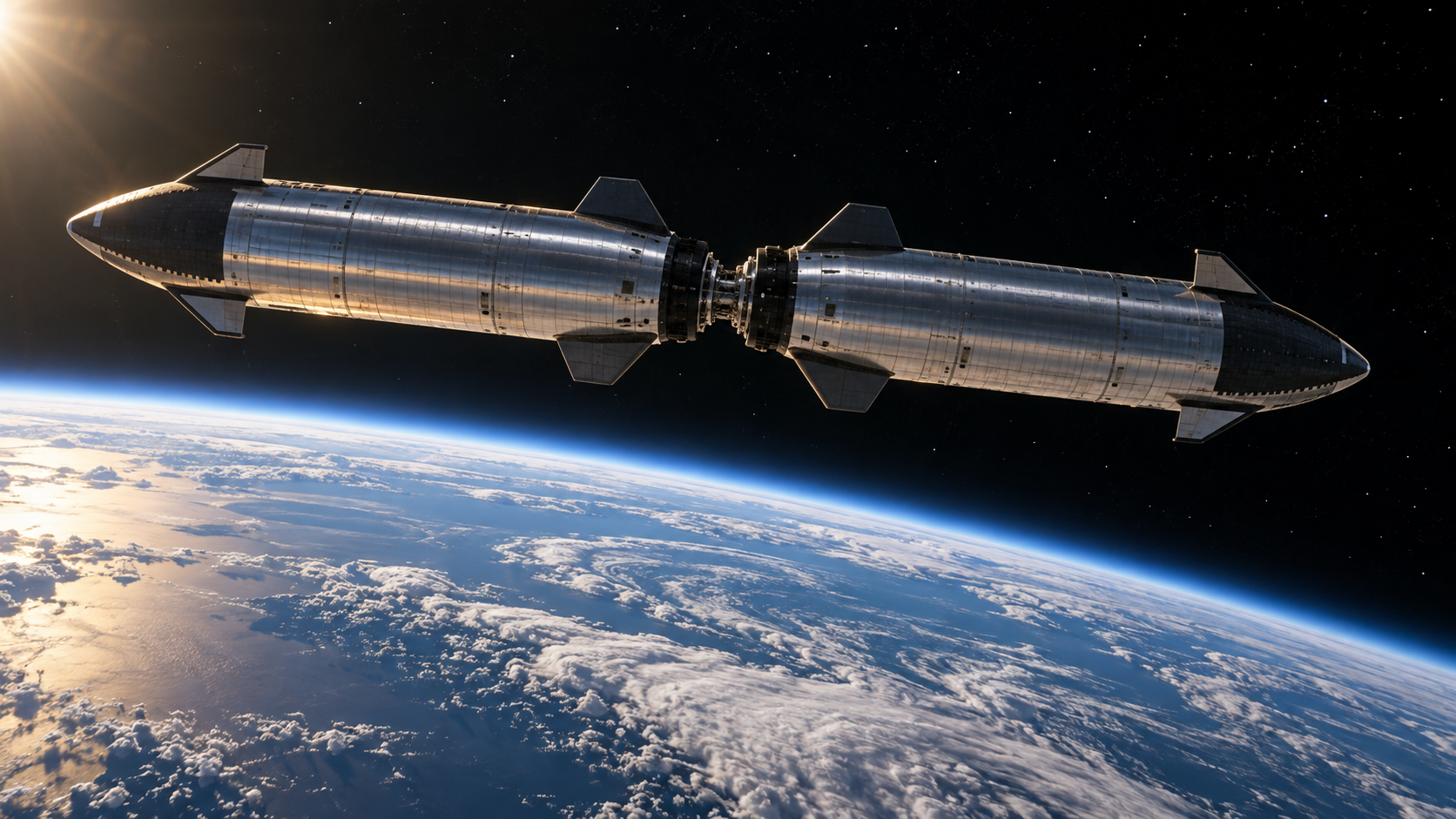
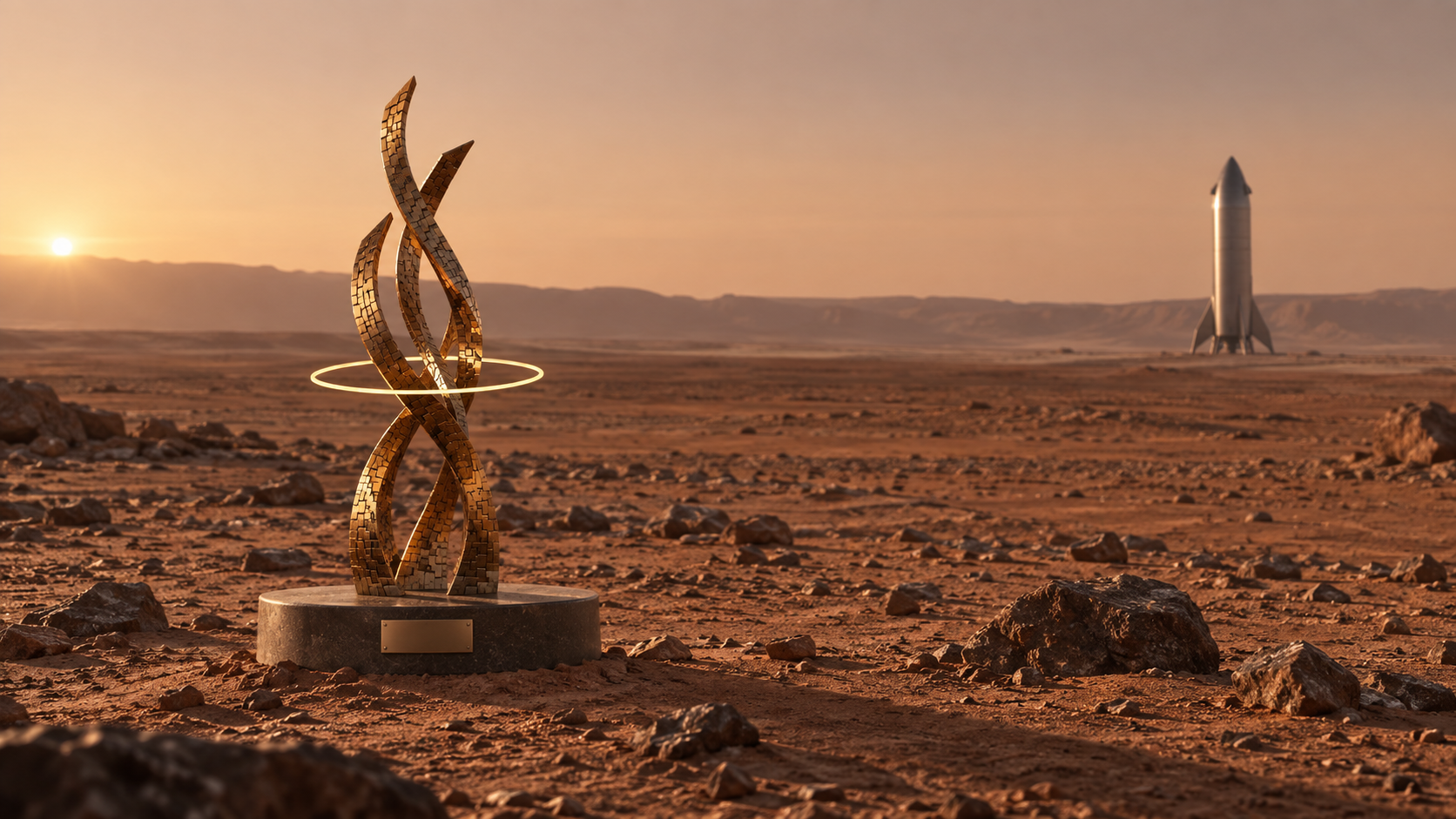
Planet imagery: NASA/JPL. Vehicle photograph: NASA/Don Pettit. Future scenes are generated concepts. Sources & credits ↗
01 — GET YOUR BEARINGS
Familiar.Until you look closer. Volcanoes that dwarf mountains. Canyons that cross continents. A world with its own story to tell.Get to know Mars ↗
MARS / LANDSCAPE STUDY ↗
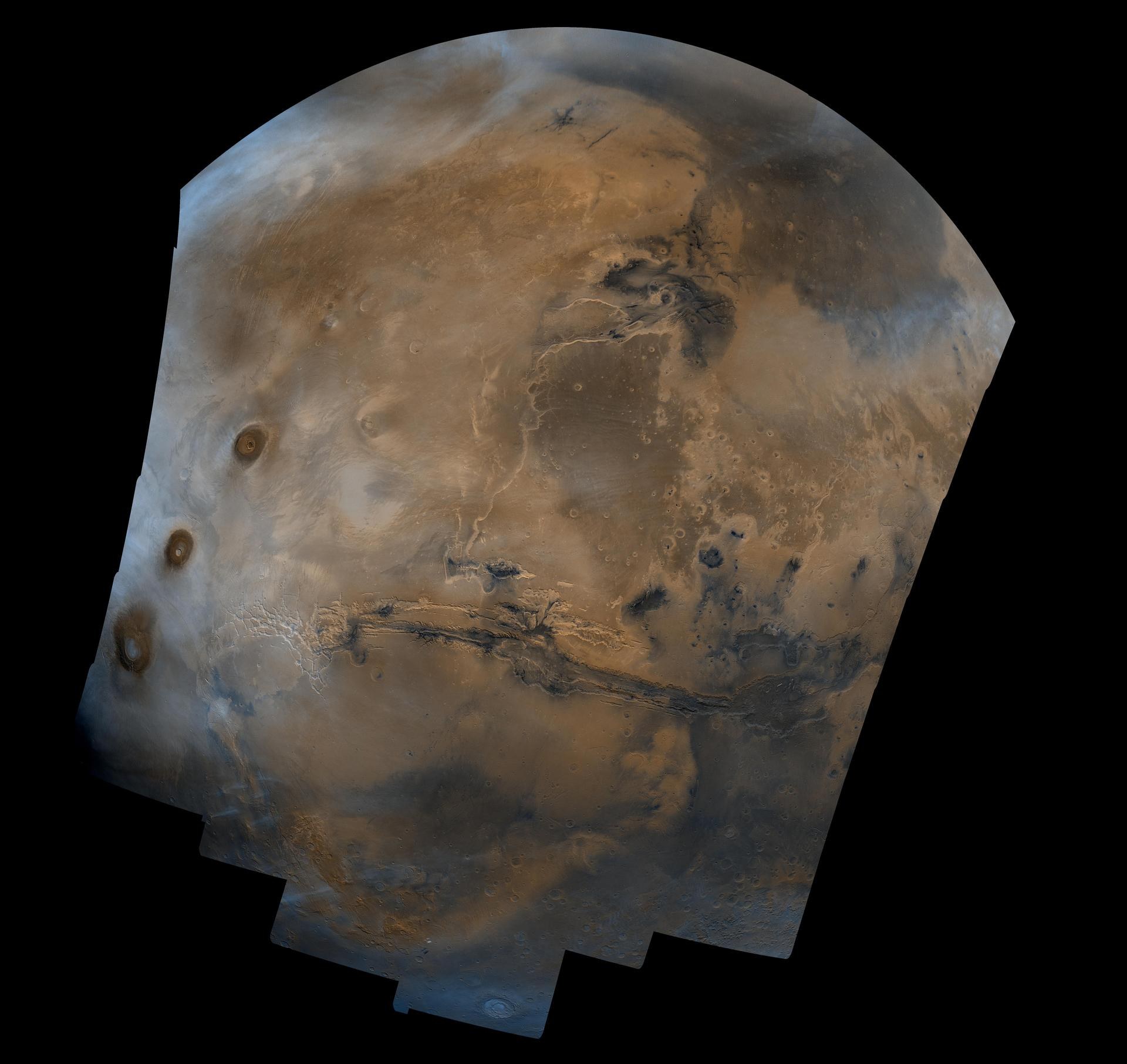
A WORLD SPLIT OPEN Valles Marineris A vast canyon system stretches across the face of Mars. Look for branching valleys and steep, layered walls.
NASA/JPL · Source imagery CHOOSE YOUR DESTINATION 01 / 05
01 Valles MarinerisCanyons & deep time
↗ 02 Olympus MonsA volcanic giant
↗ 03 Jezero CraterFollowing ancient water
↗ 04 The polar capA planet with seasons
↗ 05 PhobosA small, strange neighbour
↗ ✳ Read the landscape. What could an image tell you about the past? What would you need to measure?
Planet reference: NASA Mars facts . Images from the original Red Ledger collection. How Mars images are made ↗
02 — THE MARS LAB
Don't just read it.Try Mars. Change one thing. Watch what happens.
Turn on JavaScript to use the experiments. Read the same concepts in Mars, explained .
03 — ROBOTS WENT FIRST
Every arrivalchanged the story. A few defining moments in our exploration of Mars. Select a year to travel through the evidence.Read the fleet field notes ↗
1965 First close look 1976 On the surface 1997 On the move 2012 A mobile laboratory 2021 Reading the rocks
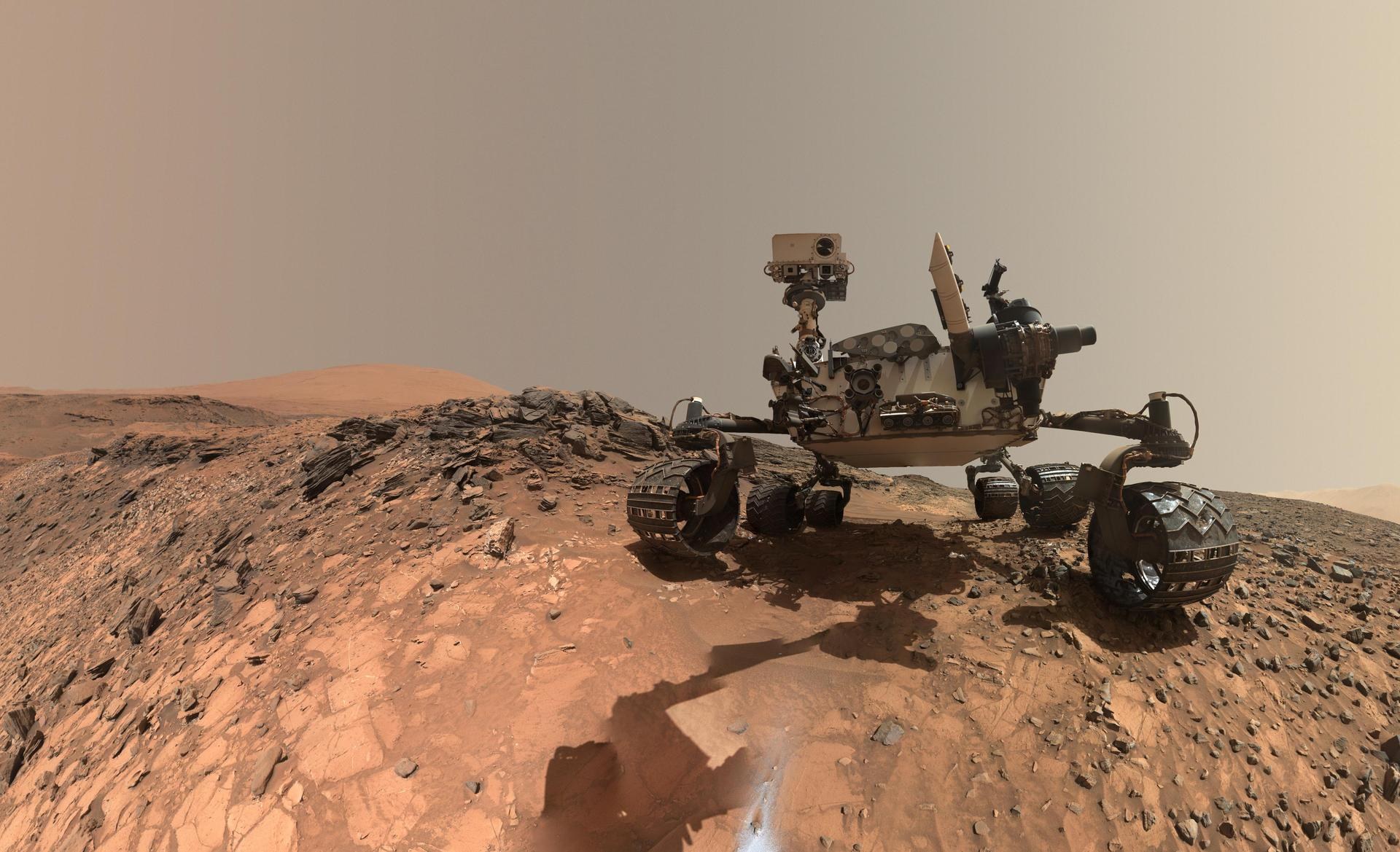
NASA/JPL-Caltech/MSSS SURFACE / ROVER
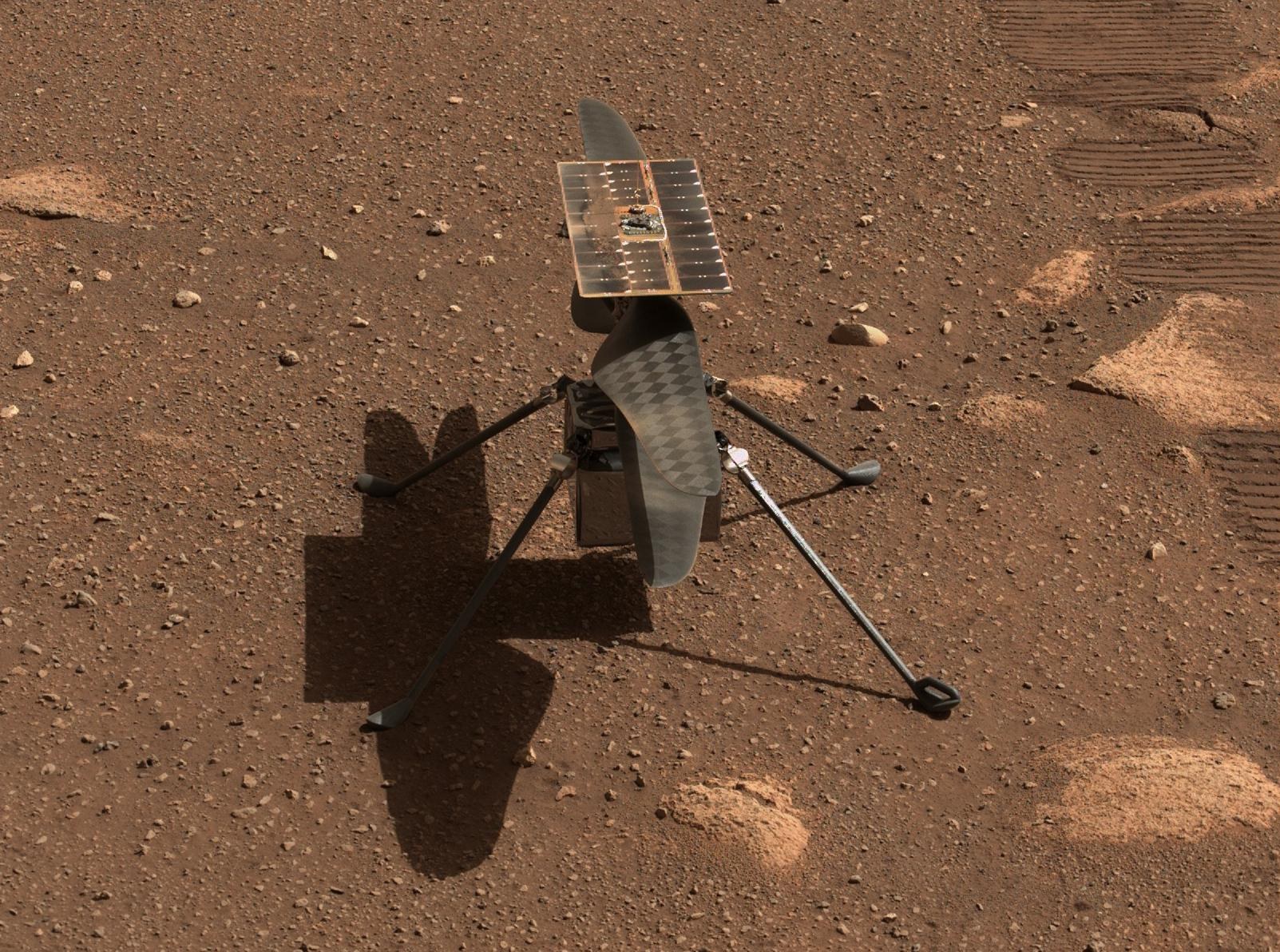
Curiosity A mobile laboratory built to investigate whether Mars once offered conditions suitable for microbial life.
THE MILESTONE Landing · 6 August 2012 (UTC)
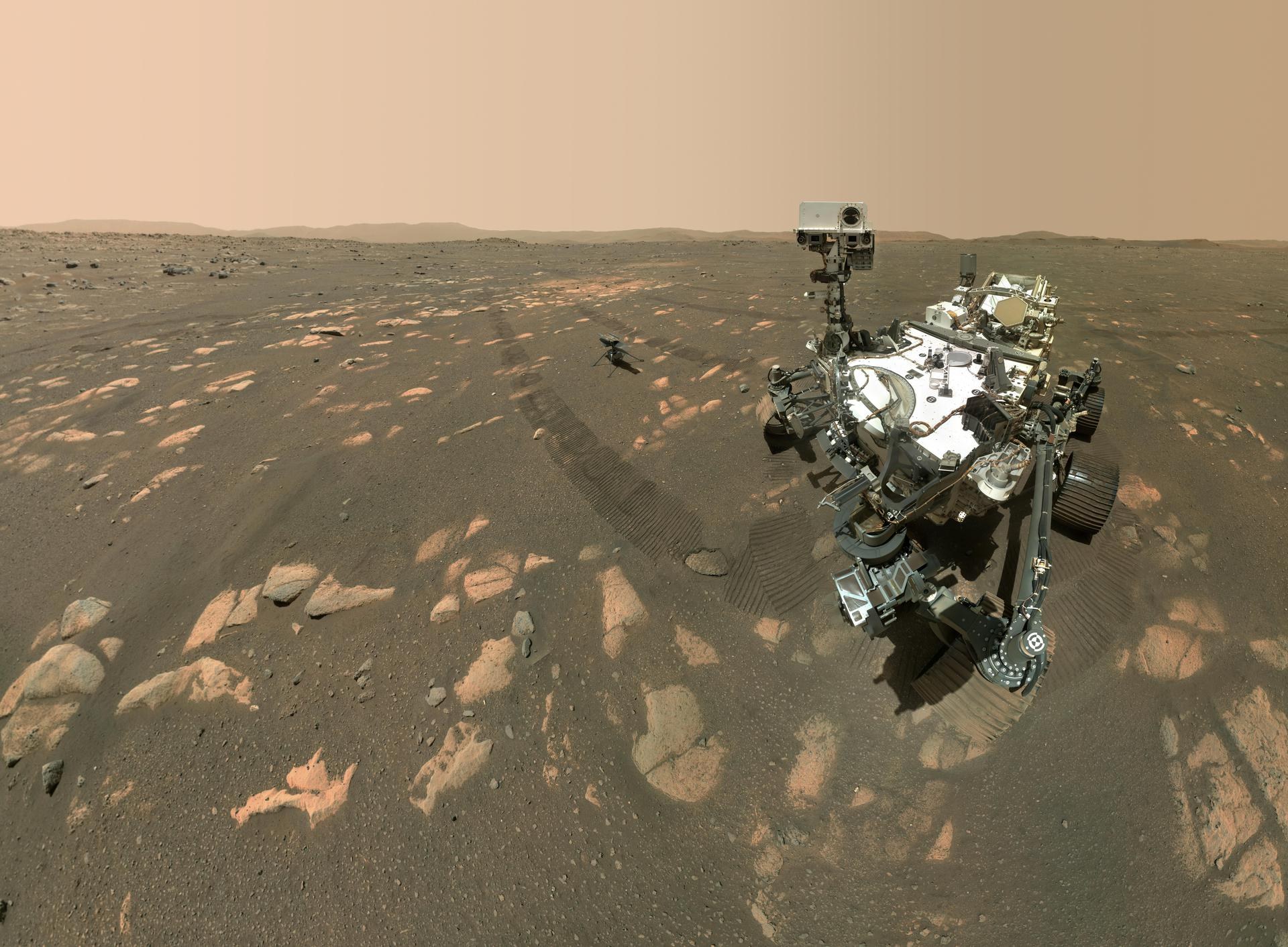
THE BIG QUESTION Could this place once have supported life? Explore the NASA mission record ↗ A rover self-portrait, assembled from camera images.
THE FIELD DISPATCH / CURRENT RECORD
Mars is still making news. Six illustrated picks from NASA and ESA reporting desks, checked weekly. U.S. launch schedules are checked daily via Launch Library 2 . Follow the original source for each story and launch.
No recent illustrated stories are available in the latest source snapshot.
Loading source snapshot…
A VIEW THAT CHANGES YOUR PERSPECTIVE
So far from home. Mount Sharp, Gale Crater. Seen through Curiosity's eyes.
NASA/JPL-Caltech/MSSS MARS / GALE CRATER 04 — THE HUMAN QUESTION
A future on Marsstarts with questions. Getting there is only the beginning. Keeping people alive means solving connected problems, every day.Explore the case for and against ↗
No matching field notes. Try “photos”, “missions”, or “future”.
Field notes retain their September 2026 research dates and stated limitations. Mission and funding updates require fresh review.
BEFORE YOU HEAD BACK TO EARTH
How well do Four questions. A little curiosity.
✳
TAKE IT INTO THE CLASSROOM Observe a landscape. Change a variable.
Print a lesson sheet ↗ Red Ledger / Mars observation sheet Name: ____________________ Date: ____________________
Choose a landscape. Write two observations and one question. Compare the weight of a 60 kg mass on Earth and Mars. What stays the same? Set the Earth–Mars distance to 225 million km. Calculate the one-way and round-trip radio delay. A habitat has limited power. Which system would you prioritize and why? Find a primary source that supports one of your answers. Write its URL and explain what it shows. Model assumptions: fixed surface gravities; radio delay = distance / speed of light; habitat exercise is a discussion, not a mission design.

 NASA/JPL-Caltech/MSSS