Mission guide
The Mars fleet: what's actually up there
Every mission that matters, what it proved, and what's still working.
Evidence as of September 2026
Active right now
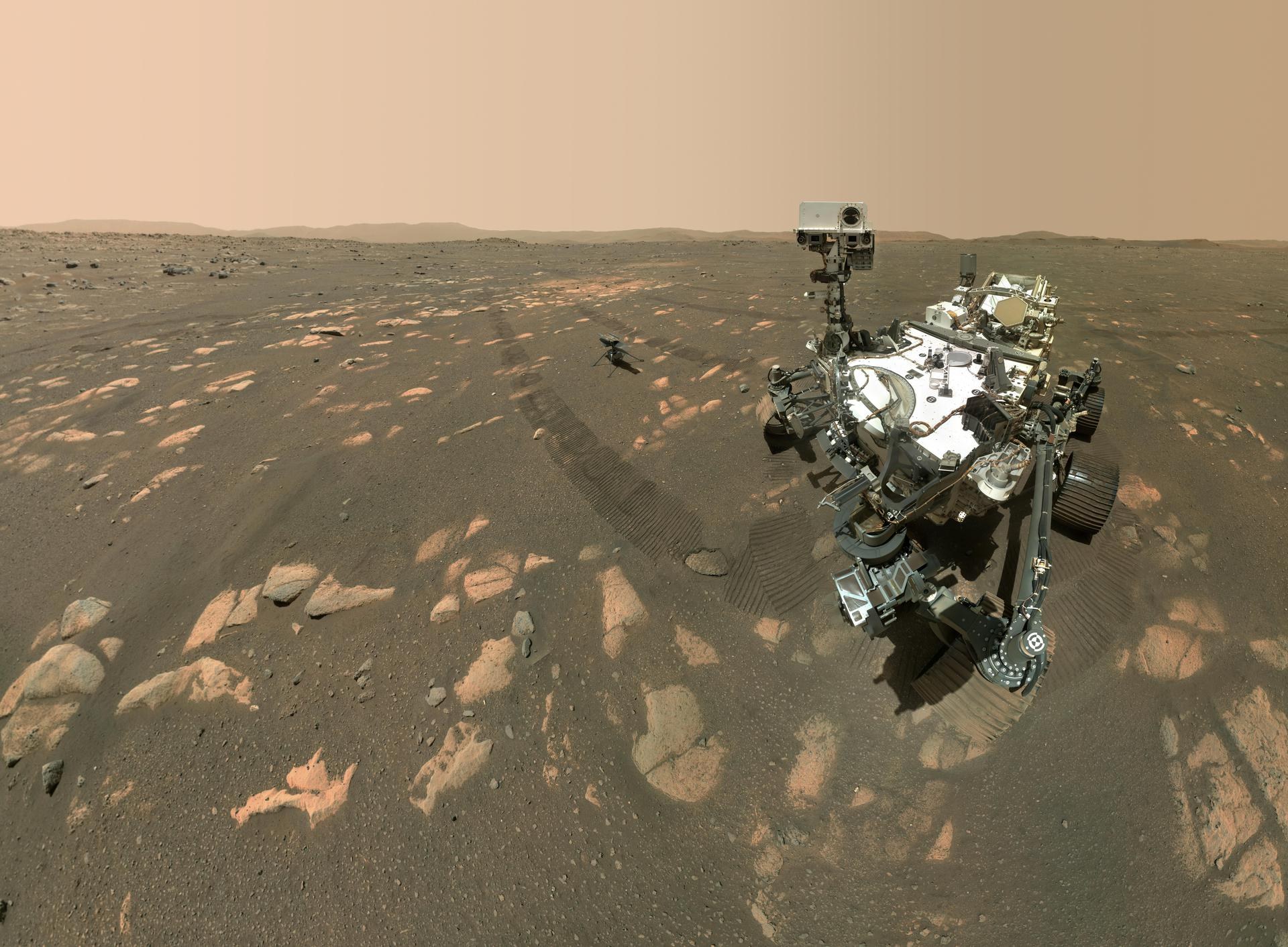
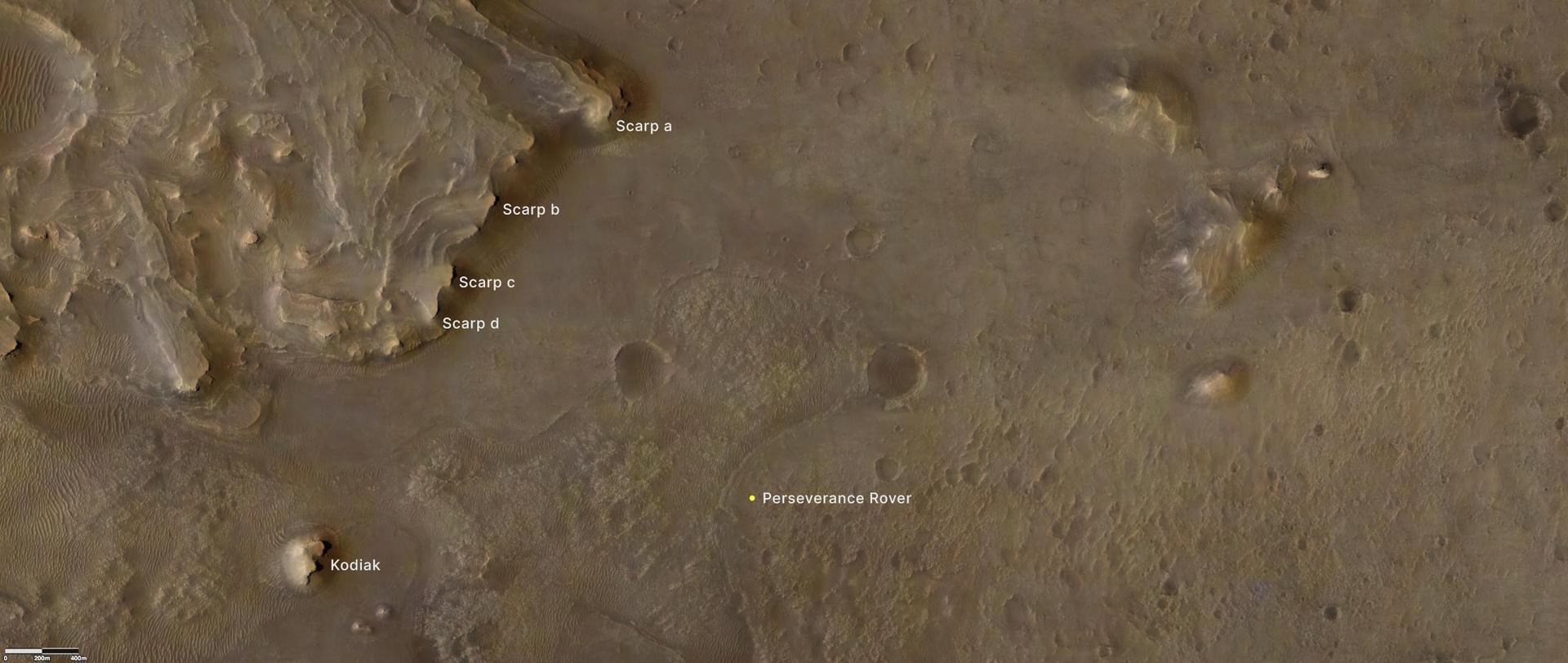
Perseverance (NASA, landed Feb 18, 2021, Jezero Crater)
Hunting for signs of ancient life and caching samples. A September 21, 2026 study of its Margin Unit data found three separate ancient water-rock alteration episodes. Its 33 sealed sample tubes currently have no ride home (see the MSR obituary).
Curiosity (NASA, landed Aug 6, 2012, Gale Crater)
Passed sol 5,000 on August 29, 2026; NASA released a new Mount Sharp panorama (PIA26700) on September 16, 2026. Still climbing, still working, 14 years in.

The orbiters
- Mars Reconnaissance Orbiter (NASA, 2006–) — the workhorse mapper; 20th anniversary in 2026.
- Mars Odyssey (NASA, 2001–) — 25 years in orbit in 2026, still relaying data.
- Mars Express (ESA, 2003–) — listed "in operation" by ESA; produces the sharpest color views of the surface.
- ExoMars Trace Gas Orbiter (ESA, 2016–) — hunting trace gases; extended toward relay support for the Rosalind Franklin rover's 2028 landing.
- Tianwen-1 orbiter (CNSA, 2021–) — active in extended mission; imaged comet 3I/ATLAS in October 2025.
- Hope / Emirates Mars Mission (UAE, 2021–) — studying the atmosphere; extended through 2028 (announced Feb 17, 2026).
The landmark past missions
- Mariner 4 (1965) — first successful Mars flyby; 22 grainy photos and the first hard data on the thin atmosphere.
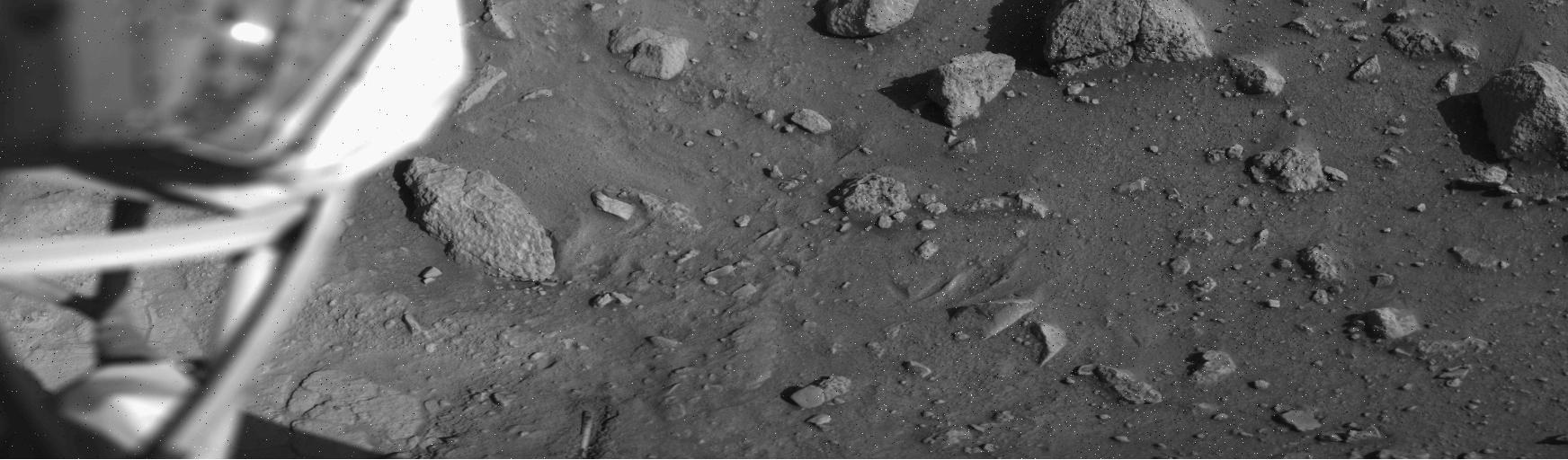
- Viking 1 & 2 (1976) — first successful landers. Their biology experiments gave ambiguous results scientists are still arguing about.
- Pathfinder / Sojourner (1997) — the first rover; proved the airbag landing technique.
- Spirit & Opportunity (2004) — built for 90 sols; Spirit's last confirmed signal came March 22, 2010, and Opportunity was declared complete February 13, 2019 after a planet-wide dust storm. They proved early Mars was wet.
- Phoenix (2008) — dug up subsurface water ice near the north pole.
- InSight (2018–2022) — a seismometer that gave Mars its first interior model, revised in 2023 (molten silicate layer; smaller, denser core than the 2021 estimate).
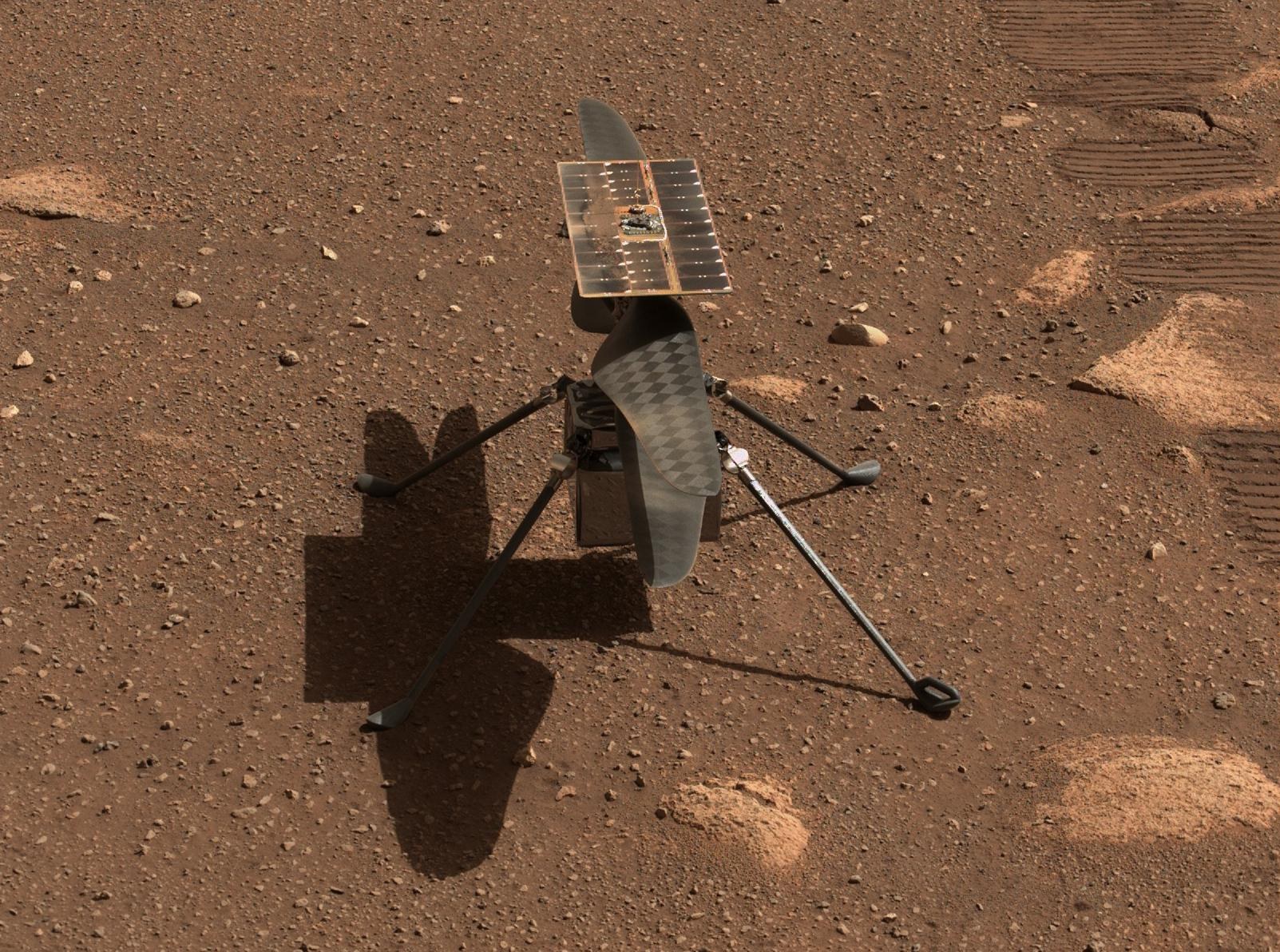
- Ingenuity (2021–2024) — 72 flights, the first powered flight on another world (April 19, 2021). Ended after rotor damage.
The one to watch: 2028
Rosalind Franklin (ESA) — Falcon Heavy selected as launcher (April 16, 2026); launch no earlier than late 2028, targeting Oxia Planum, carrying a 2-meter drill to hunt biosignatures below the radiation-blasted surface. The next big European bet.
What each era proved (the short version)
1960s–70s: Mars is reachable, thin-aired, and cratered. 1990s–2000s: rovers work; early Mars was wet. 2010s: complex organics exist; the interior is seismically active. 2020s: ancient habitability was real in specific places — and sample return, the obvious next step, just got canceled.
Limitations
Zhurong rover: no CNSA end declaration found; status carried as "effectively lost" (UNVERIFIED end date). Rosalind Franklin dates are agency targets, not guarantees. Methane remains genuinely unresolved (Curiosity's 2019 ~21 ppbv spike vs TGO's <0.02 ppbv non-detection).
Sources
- NASA mission pages — science.nasa.gov · mars.nasa.gov
- ESA mission pages — esa.int
- NASA Astrobiology, MER dates — https://astrobiology.nasa.gov/missions/mer/
- Full 172-URL provenance ledger: Sources & methodology.